
A home match can bring in a few thousand ticket buyers. Most clubs send all of them the same message and the same offer. Fan segmentation does the opposite: it groups supporters by what they actually do, then tells each group something different. Ticket sales, gate scans and store orders are enough to get started.
A first-time visitor and a fan who has followed the team for ten seasons do not need to hear the same thing.
A newcomer needs to know which gate to use, where to park and when doors open. A long-time supporter already knows all that. They want to be recognised, keep their usual seat and hear about on-sales first.
A message that misses the point gets ignored. Send too many and people block the channel.

What data is enough to start fan segmentation
No complex system is needed. A club that already sells digital tickets usually has:
- Attendance frequency: how many matches a fan bought tickets for this season.
- Most recent visit: one week ago or three months ago.
- Tickets per order: coming alone or buying for friends and family.
- Purchase history: whether they have bought shirts, scarves or merchandise from the club store.
- Membership status: active, expired or never joined.
- Consented contact channel: SMS, email or in-app notification.
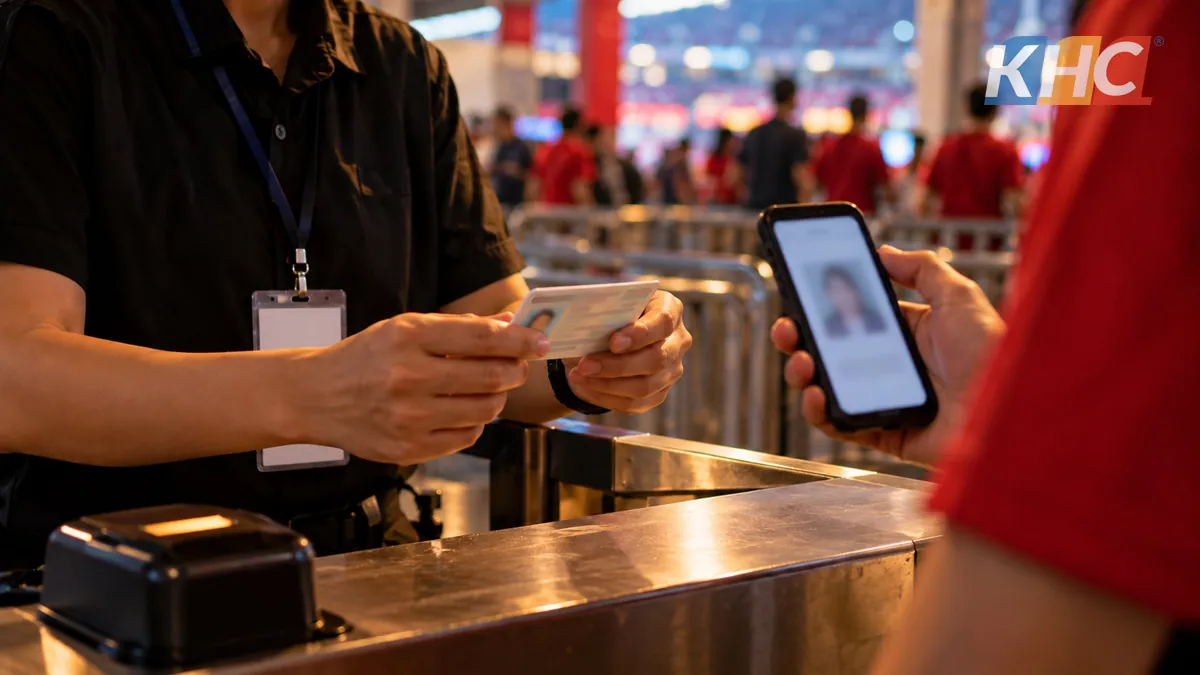
Gate scan data matters more than many people think. Buying a ticket does not mean showing up. Only a scan at the gate tells you who was really there.
Six common fan groups and how to approach them
Every club can name its groups differently. The table below shows a common split based on behaviour, not guesswork.
| Group | How to spot them | What to do |
|---|---|---|
| First-timers | Only 1 gate scan | Say thank you, invite them to the next home match |
| Occasional fans | 2–3 matches a season | Remind them of suitable fixtures, suggest weekend games |
| Regulars | At most home matches | Introduce membership and early ticket access |
| Long-term supporters | Members for several seasons | Recognise them, invite them to private events, keep their seat |
| Bring-a-friend fans | Often buy for several people | Thank them, set up a referral mechanism |
| Drifting away | Not back for a long time | Check in and ask why before they are gone |
The drifting group is often forgotten. Yet it is the group worth acting on first, because bringing back a former fan is easier than finding a brand new one.
Do not look only at spending
The biggest spender is not always the most valuable fan. A young supporter who brings three friends to every match may give the club more than one person buying a single expensive ticket. Good segmentation looks at engagement, not just revenue.
Three automated message flows to build first
Once groups are set, the club does not need to write every message by hand. Three simple flows can run automatically:
- Matchday journey: a confirmation after purchase, a reminder before the match with gate times and directions, and a thank-you after the match with the next fixture.
- Abandoned store cart: a fan picks a shirt but does not pay, and gets one gentle reminder. No discount is needed on the first nudge.
- Fan birthday: a greeting from the club, possibly with a small perk for members.

Keep data lawful and respectful
Segmentation only works when fans trust the club. They need to know why their data is collected and must be able to opt out of messages.
Each team should only see the data it needs. Ticketing staff do not need detailed purchase history. Sponsors should receive aggregated figures, not personal lists.
On the KHC platform, digital ticketing, gate scanning, the club store and membership cards sit in one place with role-based access. Club management can see each fan group clearly without collecting files from many sources.

Frequently asked questions
Does a small club need fan segmentation?
Yes. Small clubs are often closer to their supporters, so a few simple groups already make a difference. Start with two: newcomers and fans who have not returned for a while.
How much data is needed to start grouping fans?
Ticket data from a few home matches is enough to group fans by attendance frequency. The more matches, the more accurate the groups.
Will group messages annoy supporters?
Less than mass messages, because each person only gets what is relevant to them. The key is to respect the channel they agreed to and let them stop receiving messages at any time.
Conclusion
Fan segmentation is not high technology. It is a way for a club to listen to supporters through their own behaviour: who is new, who comes often and who is slowly drifting away. Start with the ticket data you already have, set up a few groups, make one message flow work well, then grow from there.
To review how fan data should be handled, read who owns supporter data and how to hold it properly. To discuss how this could work for your club, please contact KHC.
Member accounts, purchase behaviour and a transparent dashboard.