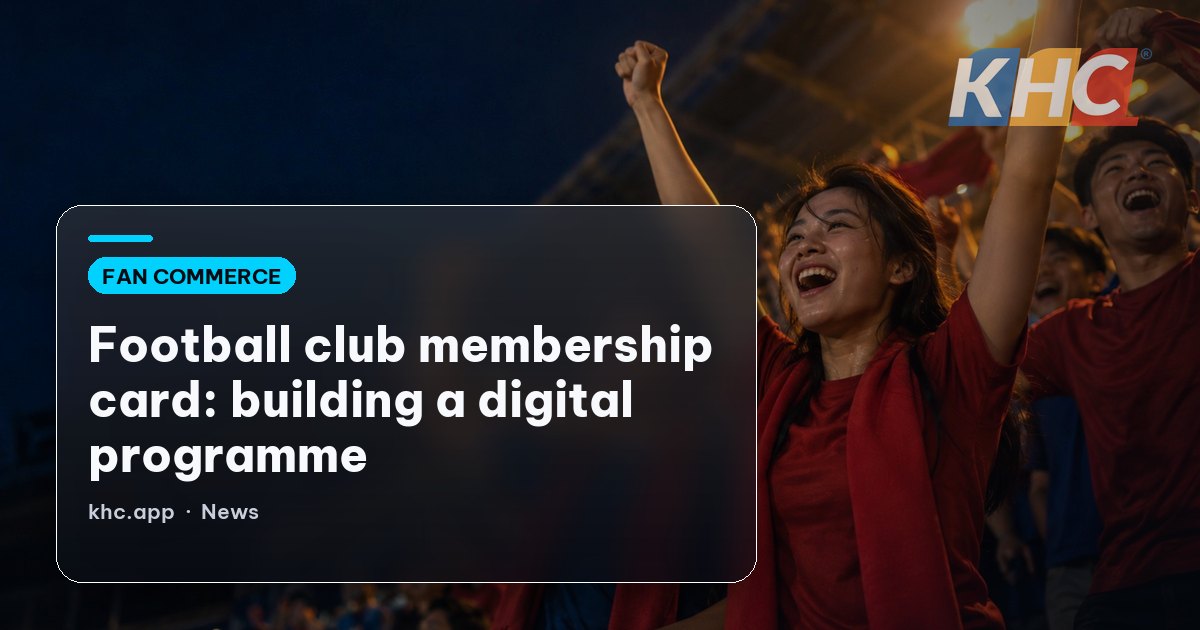
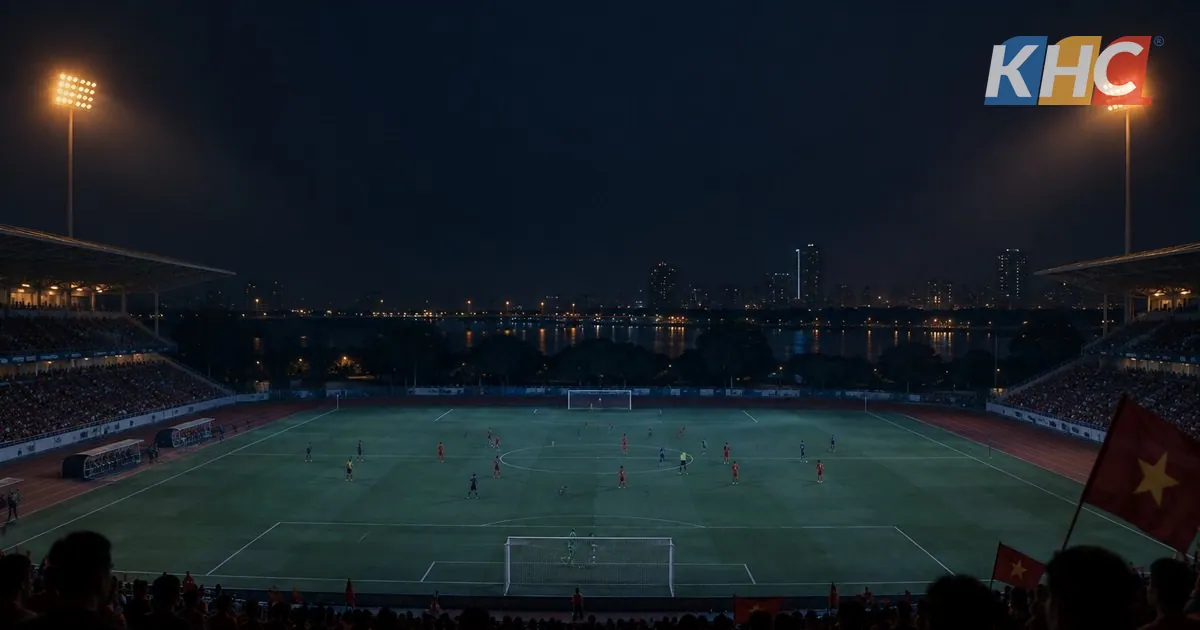
A match lasts 90 minutes, but fans often arrive at the stadium one to two hours before kick-off. That window is where matchday revenue is made: tickets, food and drinks, shirts, souvenirs, hospitality and sponsor activations. For many Vietnamese clubs, it is still the most underused source of income.
This article covers three points: what matchday revenue includes, how the world's biggest clubs are growing it, and where clubs in Vietnam can start without rebuilding their stadium.
What matchday revenue is
Matchday revenue is all the money a club earns because a match is played at its home ground. Most of it comes from single-match and season tickets. The rest comes from what fans spend once they are inside.
It can be split into four groups:
- Tickets: single-match tickets, season tickets, group tickets, hospitality seats.
- Merchandise: shirts, scarves, caps and souvenirs sold at the stadium or ordered ahead for pickup at the gate.
- Stadium services: food, drinks, parking, play areas for children.
- Sponsor activations: booths, product samples, mini games and giveaways run by brands inside the venue.
All four only happen when people come to the stadium. When the stands are empty, all four fall together.
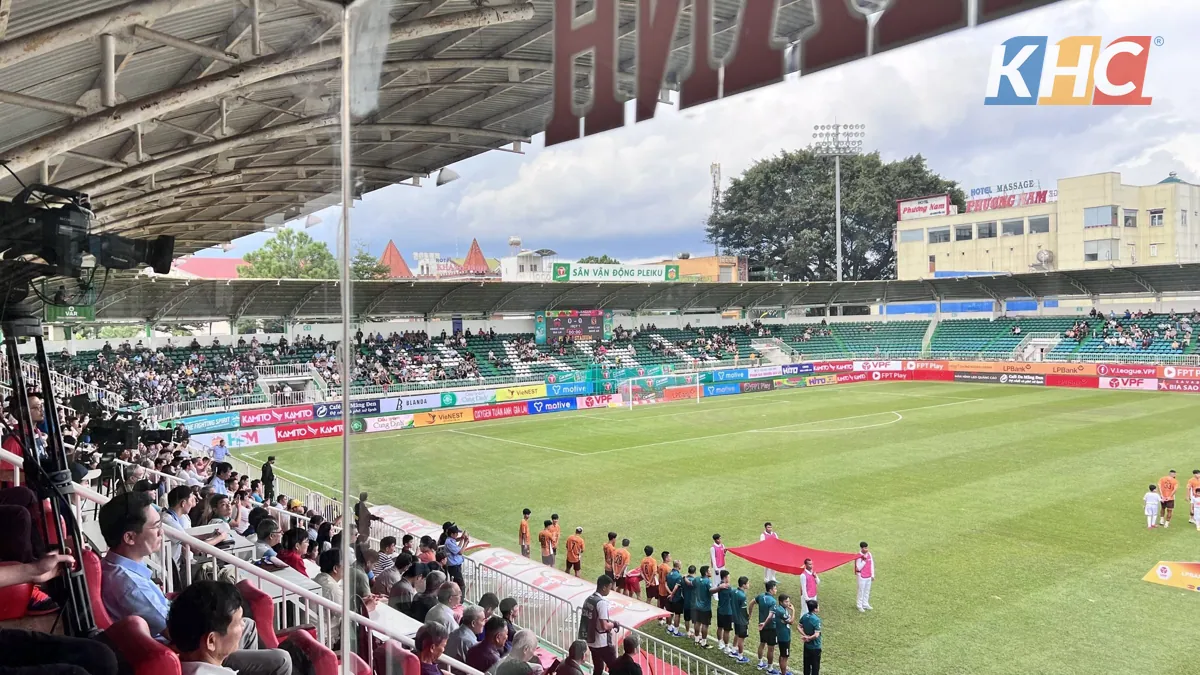
How the biggest clubs are growing it
Deloitte's Football Money League 2026 covers the 2024/25 season revenue of the 20 highest-earning clubs in the world. Together they made about 12.4 billion euros. Matchday is not the largest stream, but it is the fastest growing one.
| Revenue stream (top 20, 2024/25) | Share of total revenue | Growth on previous season |
|---|---|---|
| Commercial (sponsorship, merchandise) | about 43% | not disclosed |
| Broadcasting | about 38% | 10% |
| Matchday | about 19% | 16% |
According to the analysis that accompanies the report, the growth comes from clubs investing in the matchday experience: hospitality, food and drink, and events on non-match days. Stadiums no longer open only once every two weeks.
European football is very different from Vietnam, from ticket prices to stadium capacity. The direction is the same, though: keep fans at the venue longer and give them more reasons to spend beyond the ticket.
Where Vietnamese clubs stand
Most clubs in Vietnam still rely on an owner, a parent company or a local budget. When an investor pulls out, the team can quickly run into trouble, and some have had to withdraw from competition. That is why financial independence has come up often over the last few seasons.
Matchdays in Vietnam usually hit three bottlenecks:
- Manual ticketing: paper tickets sold at the box office make it hard to know attendance in advance and hard to stop fake and scalped tickets.
- No buyer data: the club does not know who came, how many matches they attended or where they live, so it cannot invite them back.
- Patchy merchandise: official shirts are not always in stock, and fans end up buying unofficial goods outside the gate.
None of these needs a new stadium to fix. They need process and digital tools.
Five ways to grow matchday revenue
1. Move tickets online
QR-code e-tickets let a club know attendance ahead of time, shorten box office queues and limit fake tickets. Fans who live far away can also buy days in advance instead of queuing at the ground.
2. Sell season and group tickets
Season tickets give the club cash flow from the start of the season. Group tickets for families, companies and supporter groups help fill sections that are often empty.
3. Open an online store tied to matchday
Fans order a shirt on their phone and pick it up at the stadium before kick-off. The club does not need to hold large stock, and buyers know the product is official.
4. Turn sponsorship into activity at the venue
Instead of only showing a logo, a brand can add a discount code to each ticket, run a half-time mini game or set up a sampling booth. With real participation numbers, it is easier for the club to convince sponsors to renew.
5. Reconcile and read the numbers after every match
After each match, the club needs to know how many tickets were sold, how many people actually came through the gates, how many orders were placed and which sections were empty. These numbers are the basis for adjusting ticket prices and promotions for the next match.

This is also how KHC works with clubs: bringing e-ticketing, gate check-in, the club store, membership cards and fan data onto one platform, so every match leaves numbers the club can use for the next.
Frequently asked questions
What does matchday revenue include?
It includes ticket income, merchandise sold at the stadium, food and drinks, parking and sponsor activations held inside the venue on match days.
Does a small club need e-ticketing?
Yes. The smaller the club, the more it needs to know who comes so it can invite them back. E-tickets also cut printing, reduce fake tickets and make reconciliation faster.
Does growing matchday revenue mean raising ticket prices?
Not necessarily. Many clubs grow it by filling empty seats, selling season tickets and adding merchandise and services at the venue, while keeping prices at a level fans accept.
Conclusion
Matchday revenue is the part a club can control most, because it happens at its own ground. There is no need to wait for a new stadium or a big broadcast deal. Starting with e-tickets, an online store and the habit of reading the numbers after every match already builds a foundation.
Clubs that want a long-term fan loyalty programme can read our article on football club membership cards. To discuss your own home ground, please contact KHC.
KHC surveys the club, then builds a revenue model for it.