Buying a jersey online and collecting it at the stadium is what many fans would like to do on match day. They order on their phone the day before, show a code at the ground, pick up the shirt and head into the stand. For the club, this solves two problems at once: shorter queues before kick-off, and no need to haul a hundred guessed items out of the warehouse.
Retailers call this model click and collect. The customer orders and pays online, the seller prepares the item, and the customer picks it up at an agreed point. At a stadium, that point is the store desk near the gates.
Why buying jerseys online and collecting at the stadium suits Vietnamese football
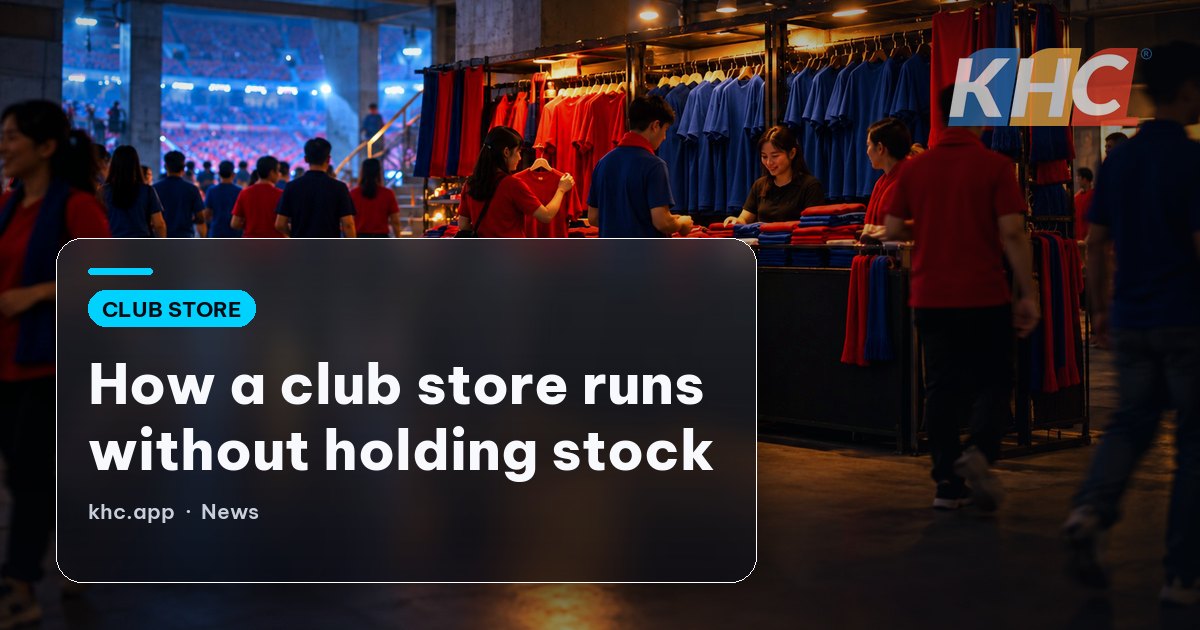
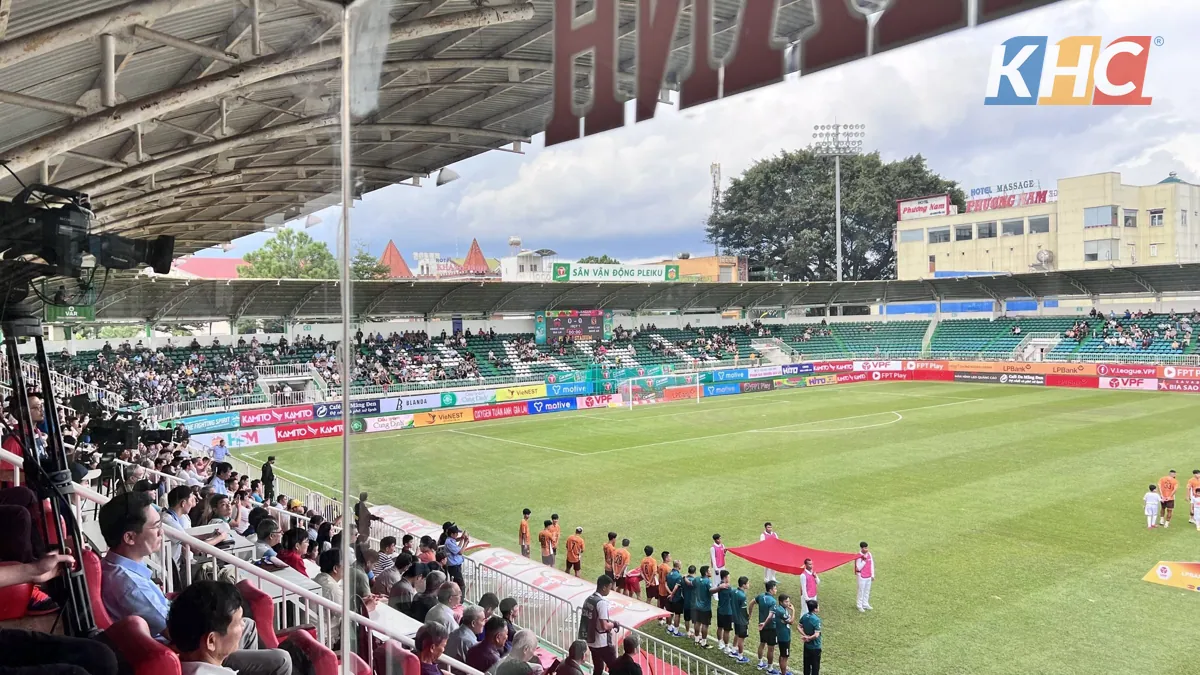
Match day has one awkward feature: most people arrive in the one or two hours before kick-off. Everyone wants a shirt, scarf or cap at that moment, so the store desk gets swamped exactly when the ticket gates are busiest.
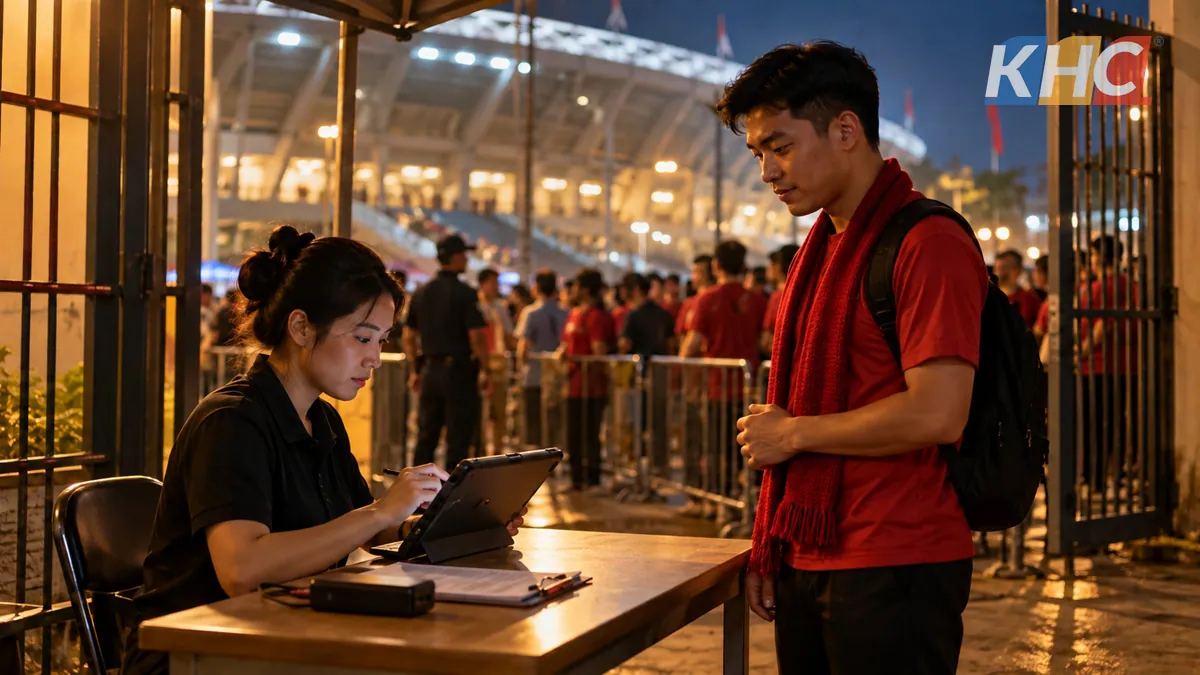
When most orders are placed and paid in advance, the desk only needs to find the right bag and scan a code. A transaction takes seconds instead of minutes spent choosing sizes, swapping sizes and counting change.
The benefits for each side are clear:
| Stakeholder | What they gain from online order, stadium pickup |
|---|---|
| Fans | Choose the size calmly at home, no sell-out worry, short wait |
| Club | Knows demand for each item in advance, brings just enough stock |
| Desk staff | Less cash, fewer mistakes, easier end-of-shift checks |
| Sponsors | Data on who buys what, to design offers for the right people |
One more point people rarely mention: fans check the item on the spot. If the size is wrong, they swap it at the desk instead of posting it back, which saves trouble for everyone.
Three things to prepare before match day
1. Close orders and pack bags by code
Close online orders early enough for the warehouse to pack, usually the evening before. Each order goes into its own bag labelled with the order code and name, sorted by the last digits of the code so staff can find it fast.
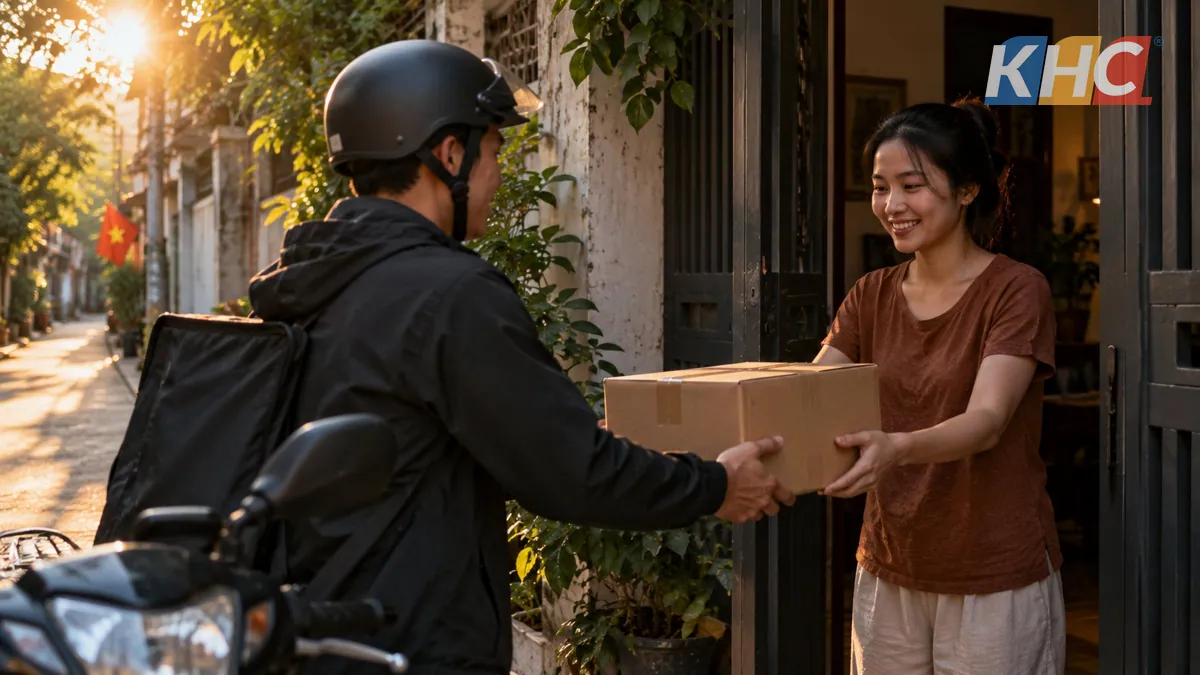
2. Set clear pickup times
Tell buyers when the desk opens and closes and which gate it sits at. Put this in the order confirmation and repeat it on the morning of the match. Fans often come in groups, so allow one person to collect several orders if they have all the codes.
3. Separate pickup and walk-in lines
One desk, two lines: the pickup line moves fast, the walk-in line moves slower. Without this split, people who ordered ahead still wait, and most of the benefit of ordering online is lost.
Verifying the buyer and keeping products genuine
The buyer only needs to show the QR code from the message or app. Staff scan it, the system marks the order as delivered, and nobody can collect the same order twice. It is also a simple way to protect the reputation of official jerseys, while fakes are still sold around many grounds.
At tournaments run by a continental confederation, commercial rights at the venue belong to the organiser. Clubs should check each competition's rules before setting up a desk, so it does not have to be taken down at the last minute.
Reconciliation after the match and common mistakes
The final whistle is the time to close the shift. The lists of delivered orders, uncollected orders and size swaps should match the stock actually left. Uncollected orders need their own process: hold them until the next home game or switch them to home delivery.

Common mistakes:
- The desk is too far from the gates, so fans skip the detour and never collect.
- No pickup reminder, so many people forget and orders pile up.
- Popular sizes sell out but stay open online, and fans only find out at the ground.
- Cash sales get mixed with online orders, making end-of-shift checks hard.
At KHC, the club store, digital tickets and gate scanning run on one platform. Fans can add a jersey while buying a ticket, and the match day team uses the same scanners to hand over orders.
Frequently asked questions
Is there a delivery fee when buying a jersey online and collecting at the stadium?
Usually not, because the buyer picks it up at the desk. The club also saves the cost of shipping single orders.
What if the jersey does not fit when I collect it?
Check it at the desk and swap the size if stock is available. If the size is sold out, the desk records it for later delivery or a refund under the club's policy.
What happens to my order if I cannot come to the match?
It depends on each club's policy. The order may be held until the next home game or switched to home delivery, and this should be stated clearly at checkout.
Conclusion
Selling jerseys online for stadium pickup does not need a big investment. It needs a tidy process: close orders early, set clear times, split the pickup line and reconcile carefully after the match. Done well for a few games, the store desk becomes a regular stop for fans every time they come to the ground.
To read more about avoiding fakes, see official football jerseys: helping fans avoid fakes online. Clubs that want a store tied to match day can contact KHC.
KHC builds the storefront, onboards suppliers and runs fulfilment.